Espresso — short and strong, under pressure
2026-10-21
Espresso means forcing hot water at high pressure through finely ground, tamped coffee and extracting it in a short time. The strong drink, packed with components in a small volume, can be drunk as it is or used as the base for drinks with milk.
In numbers
A common example today is to extract 36g from 18g of coffee in 25–30 seconds. The ratio of coffee to output is about 1:2. The pressure on the water is about 9 bar.
Numbers
A shot of espresso in numbers (an example)
Pressure (bar)
- Coffee
- 18g
- Output
- 36g
- About 2× the coffee
- Time
- 25–30 s
- Pressure
- 9 bar
Crema as a marker
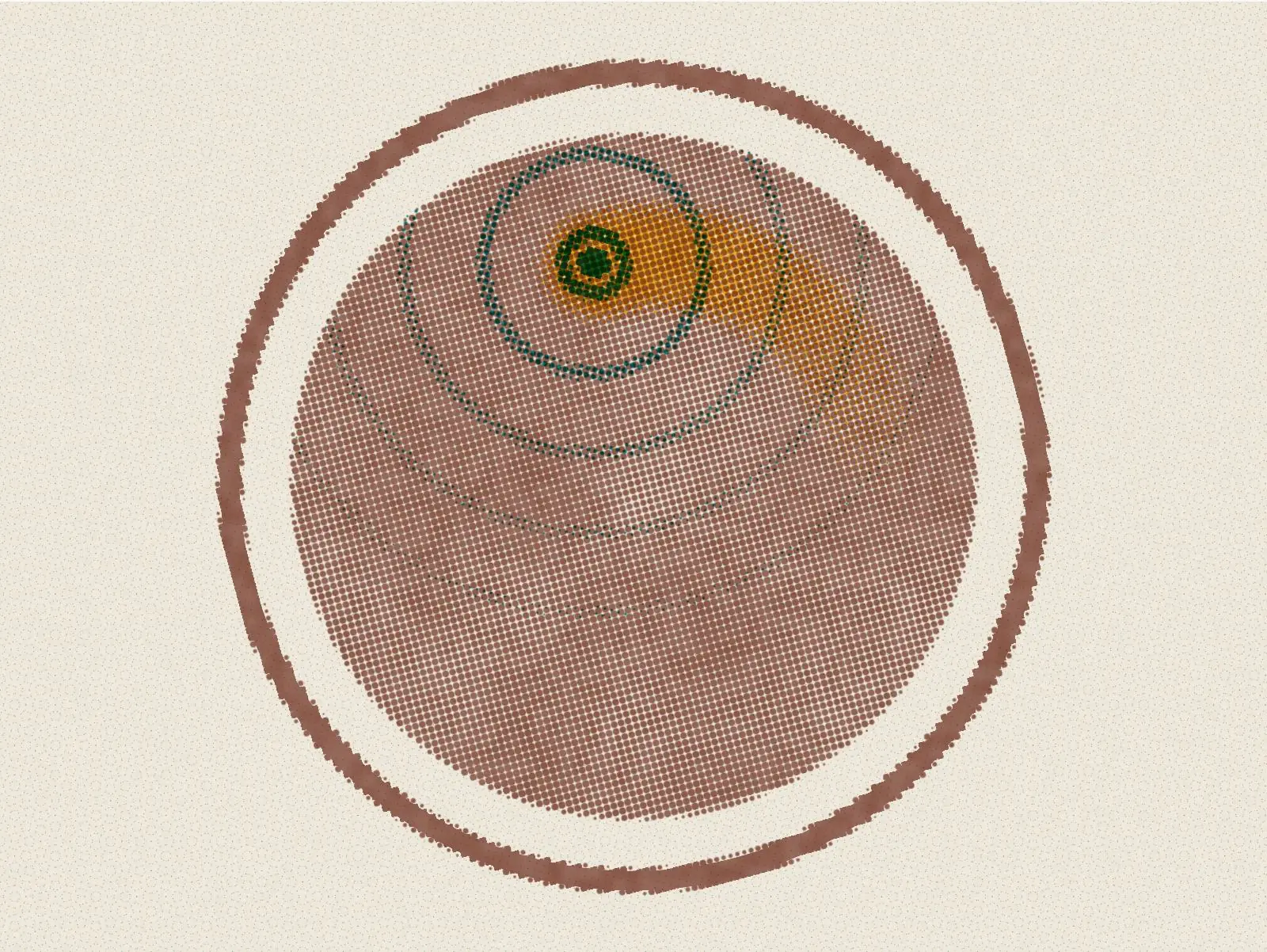
The layer of fine foam covering the surface is called crema. It is formed by the carbon dioxide left in the beans and emulsified oils, and the fresher the roast, the more of it there is. Blending in Robusta is known to make the crema thick and stable (see the Canephora article).
But plenty of crema does not guarantee a good taste.
Origins
In early twentieth-century Italy, machines appeared that used steam pressure to brew one cup at a time in a short time. After the Second World War, machines that used springs and levers to apply high pressure spread, and they are said to have shaped today's espresso, crowned with crema.
Match the grind by time
Adjusting espresso begins by fixing the output and the time. If it runs too fast, grind finer; if it takes too long, grind coarser. If the coffee is not tamped evenly and flat, water is channeled through the weak spots in the bed (channeling), and extraction becomes uneven.
Something close at home
Espresso machines are expensive and take up space. For strong coffee at home, the stovetop Moka Pot or the hand-pressed AeroPress are also options. Neither the pressure nor the taste is the same, but each has its own merits.
Comparing brew methods sets out the differences from other methods in diagrams.