Mosto Natural — the idea of returning the juice
2026-07-17
Mosto is a Spanish and Italian word for pressed grape juice, the juice before it becomes wine. The word has only relatively recently come into use in coffee processing, emerging from producer-led experiments.
The basic idea
Removing the fruit produces large amounts of pulp and juice as by-products. Traditionally these were thrown away or returned to the field as compost.
Mosto methods use this juice instead of throwing it away. Sugar-rich juice that has been pressed and collected is returned to the beans as they dry, or as they ferment. This brings the sugars and organic acids of the fruit into contact with the seed at higher concentrations than usual.
The aim is to draw out the fruit and sweetness of Natural in a more controlled way. In Natural, where whole cherries are dried, the amount and condition of the fruit vary; the idea is that separating the juice and adjusting the amount can improve reproducibility.
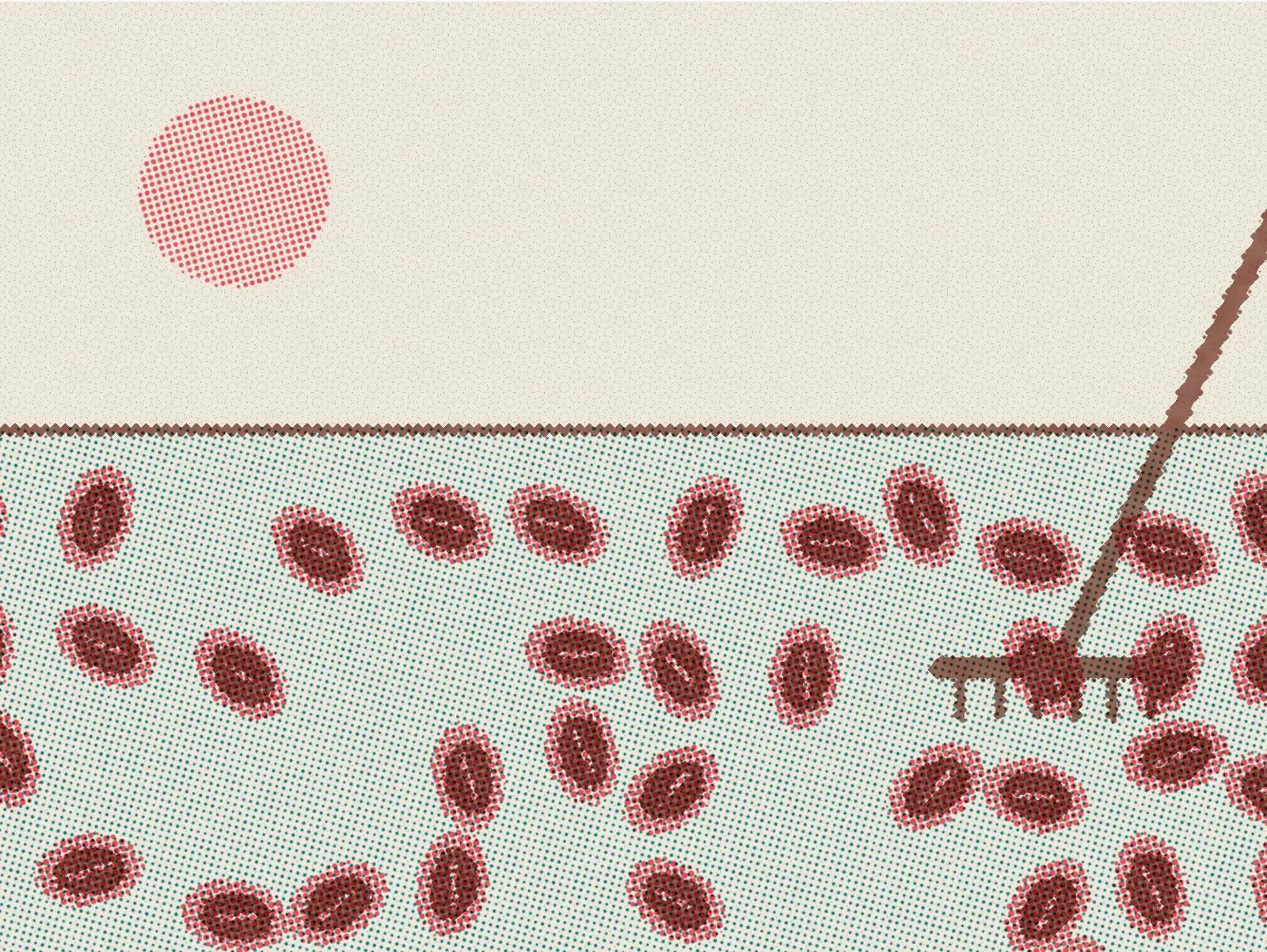
Mosto
Returning juice that was thrown away to the beans
Cherry
Harvest
Pulp and juice
From removing the fruit
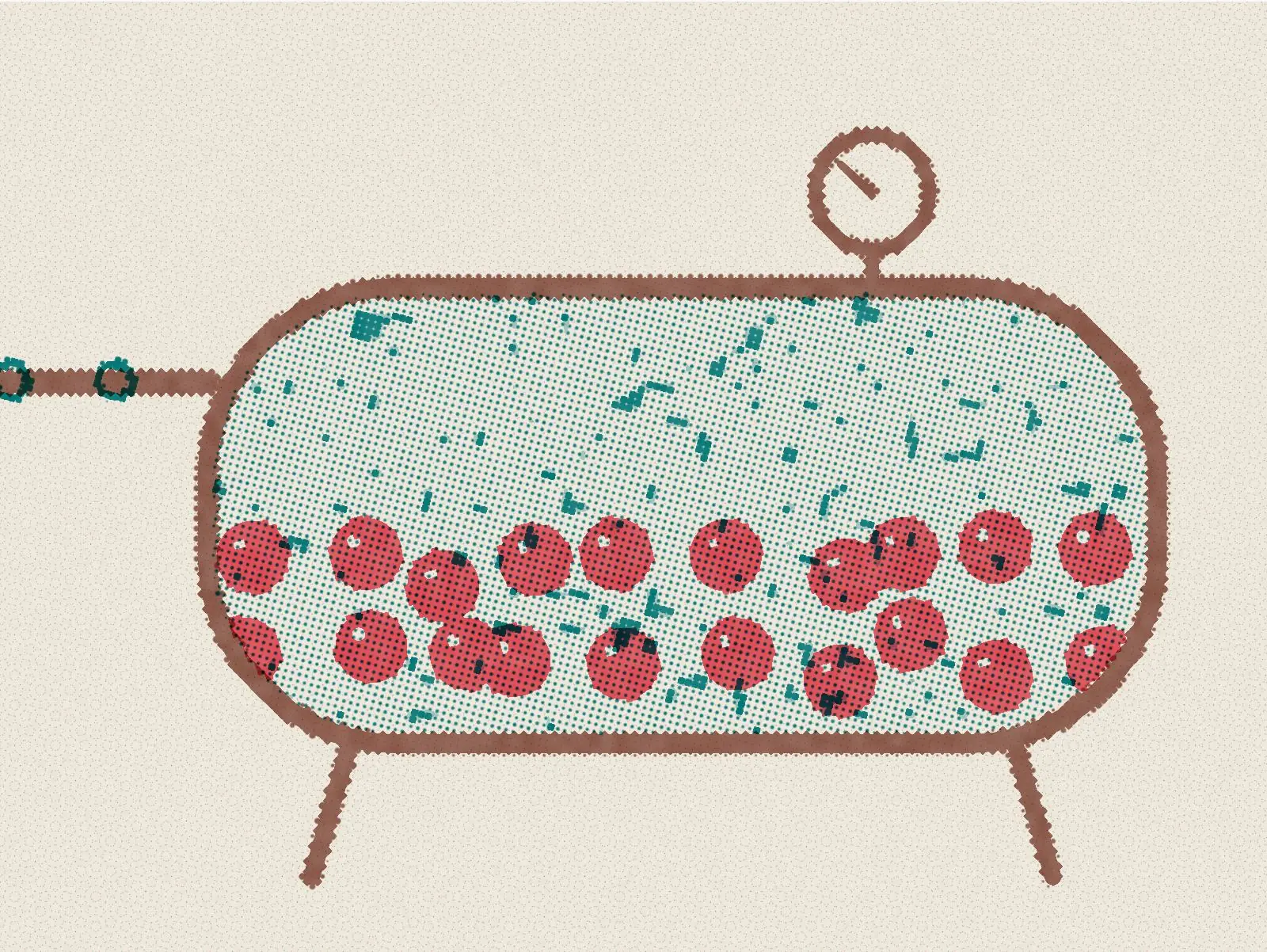
Juice (mosto)
Pressed and collected
Back to the beans
While fermenting or drying
The terminology is not standardized
There is something we should say honestly here. The name "Mosto Natural" is not an internationally defined standard term.
What it refers to varies between producers and exporters. Sometimes it means juice-return methods in general; sometimes it is used as a particular farm's own name for its process. It is also often combined with Anaerobic, and the boundaries are blurred.
So when evaluating beans with this name, you need to check not the name itself, but exactly what steps they went through. At what stage, in what amount and for how many hours the juice was in contact. Whether a seller can explain that much is what to judge by.
Where it stands for now
In terms of flavor, it is reported to tend toward a clearer outline of sweetness while keeping Natural's fruitiness. But as noted above, the range of steps is wide, and a general description is difficult.
Among the lots we carry, the Liberica from Liên Khương and the Arabica from Cầu Đất are finished with this method. Our policy is to confirm the details of the process with the producers and record them on the product pages. The point is not to line up novel names, but to make it possible to trace what was done.
A new technique appears, gets a name, and eventually its definition is sorted out. Mosto methods are on that road right now.