Pulped Natural — Brazil's way of drying with the mucilage on
2026-10-20
Pulped Natural is a process in which the skin and fruit are removed from the harvested cherries and the beans are dried with the mucilage still on. It has been widely used in Brazil.
Looking only at the steps, it is almost the same as the Honey process that developed in Central America. It keeps being called by a different name because the land each came from, and the problem each set out to solve, are different.
The steps
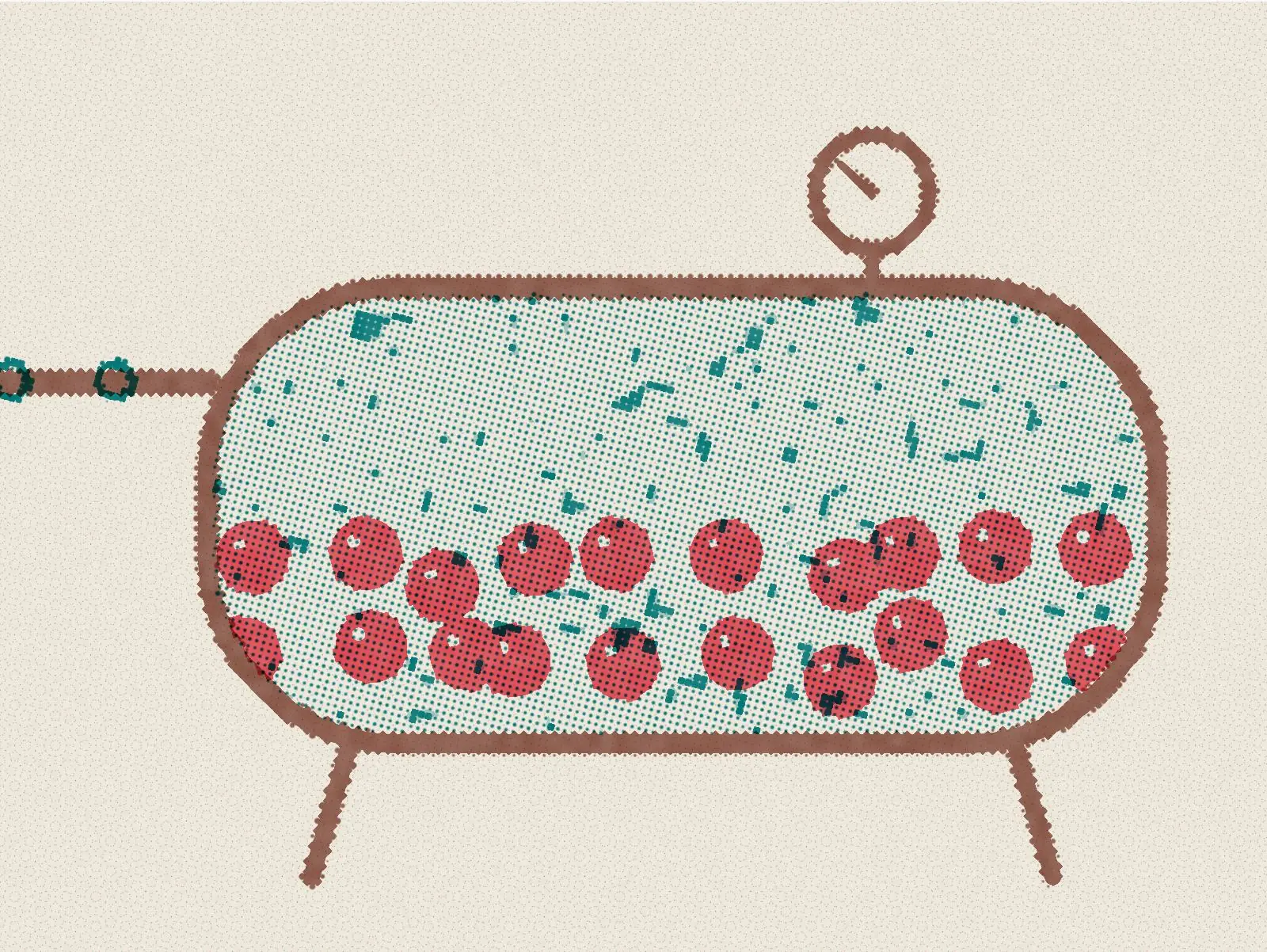
Harvested cherries are first sorted in a water tank. Unripe and light cherries float and separate, the first stage of sorting.
Next they go through a pulper. Ripe cherries are soft and the fruit comes off easily, but hard, unripe cherries tend to stay intact. Using this property to sort for ripeness at the same time as removing the fruit is Pulped Natural's practical advantage.
The pulped beans skip the fermentation tank and go into drying still wearing their mucilage. They are spread thinly on a concrete patio or drying beds and stirred often as they dry. The sugar in the mucilage makes the beans stick together, so careful management is needed especially early in drying. Large farms sometimes switch to mechanical drying partway through. Once moisture is down to eleven or twelve percent, the parchment is removed and the coffee waits for shipment.
Flow
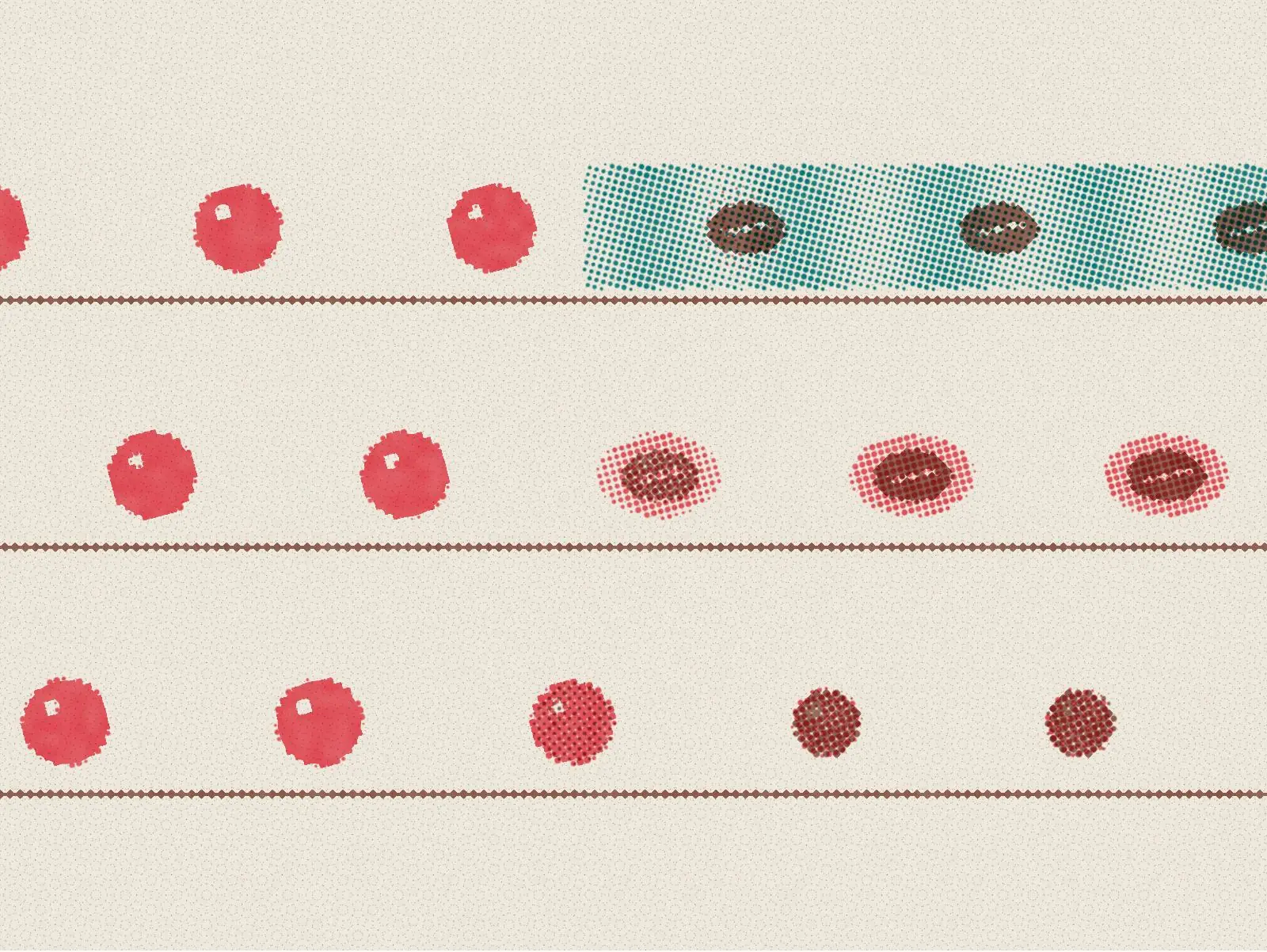
In order of the steps (top to bottom)
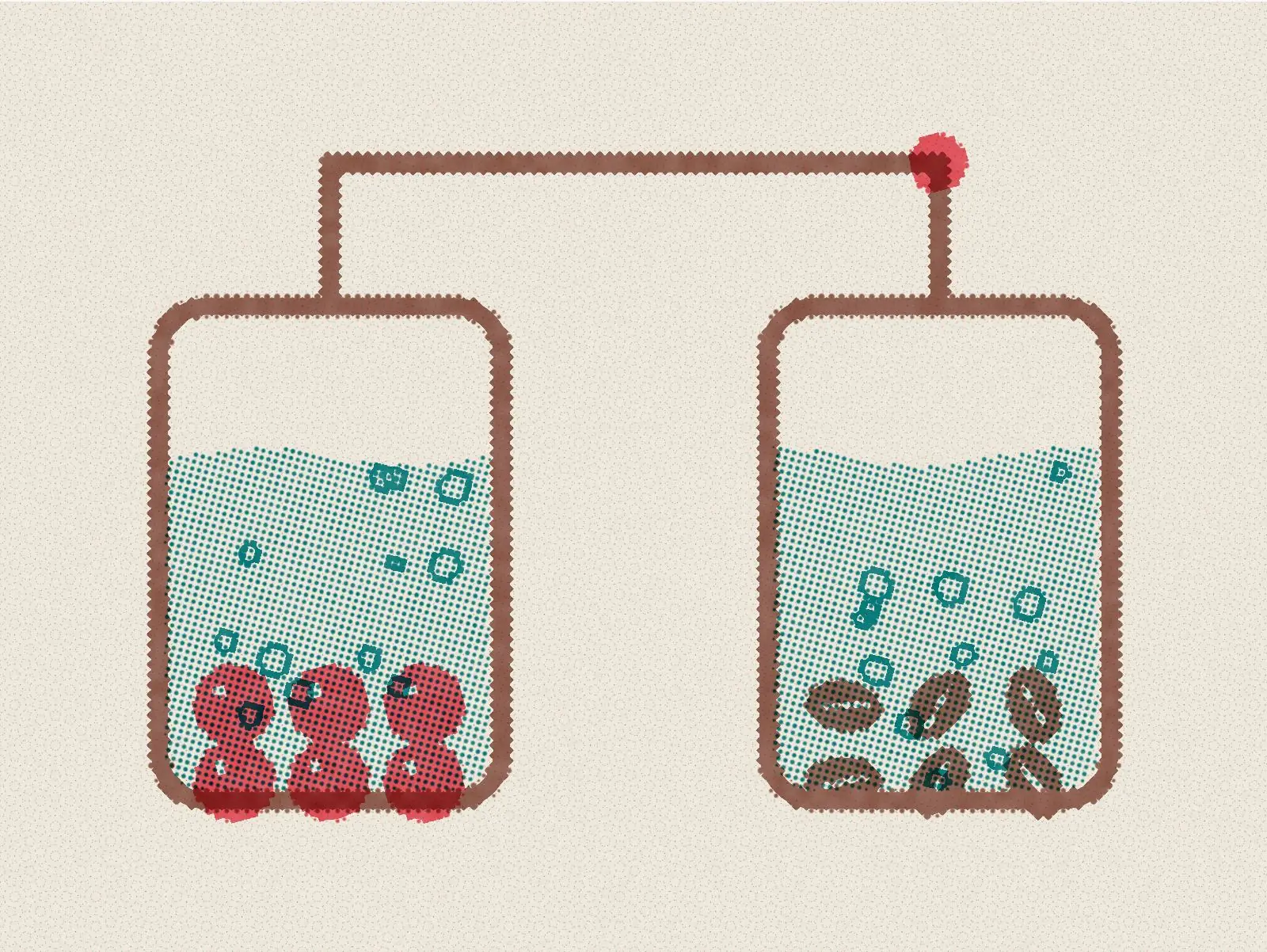
Where sealed fermentation goes in: Anaerobic, Carbonic Maceration and others (sometimes after the fruit is removed)
How it differs from Honey
Pulped Natural is known as a method that spread in Brazil in the 1990s. Until then Natural was the norm in Brazil, but drying whole cherries carried the risks of uneven ripeness and fermentation. Drying after removing the fruit reduces those risks and stabilizes quality. Its starting point was "an improvement on Natural".
Honey, by contrast, was systematized by small mills in Costa Rica as a technique for shaping flavor through how much mucilage is left and how quickly the coffee dries. It may help to think of it as coming from the direction of "adding sweetness to Washed". The color names White, Yellow, Red and Black are a Honey custom and are rarely used for Pulped Natural.
That said, the line between the two names differs by region and producer. The same steps can go by different names, and the same name can refer to different steps.
Flavor tendencies
Sweetness comes forward in the cup, with flavors reminiscent of nuts and chocolate and a round mouthfeel. The fermented fruit aroma is not as strong as in Natural, and there is more body and sweetness than in Washed. Thanks to this gentle balance, it is often used as an espresso base.
Steps over names
Whether it is called Pulped Natural or Honey, the points to check are the same. Whether the beans went through a fermentation tank after pulping, how much mucilage was left, and how many days and by what means they were dried. The name is only a clue; what decides the cup is the steps beyond it.
Comparing processes sets out the differences between each process in diagrams.