Washed — the true nature of the bean, as it is
2026-07-13
Washed is the most widely used process in the specialty coffee world. It is the norm in Central America, Colombia, Kenya and parts of Ethiopia, and among the lots we carry, the Robusta from Phúc Thọ in Lâm Đồng province (Nguyễn Sơn Tùng) is finished this way.
The steps
Harvested cherries are first put into a water tank. Unripe and defective cherries float and separate here, so it doubles as the first stage of sorting.
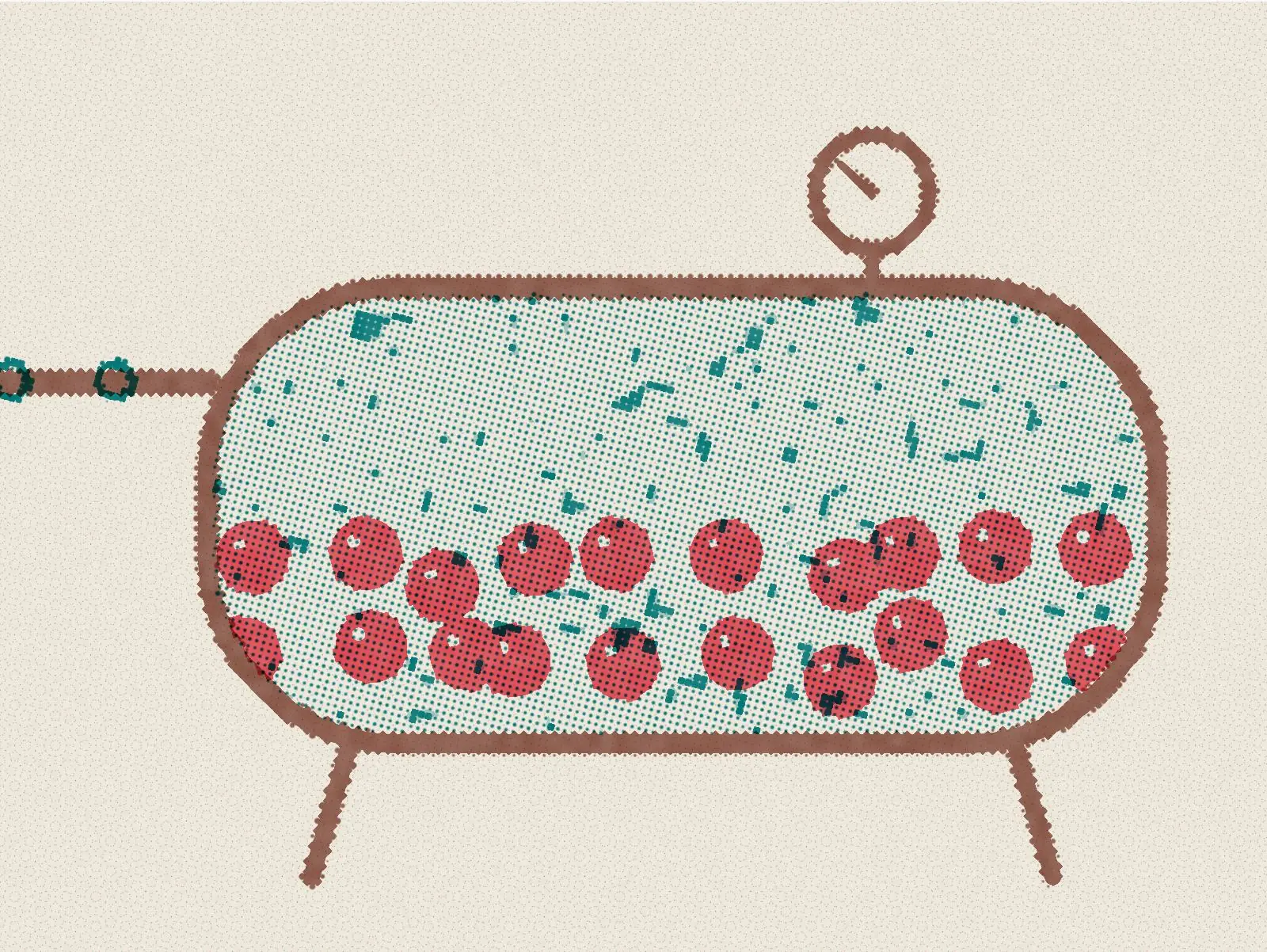
Next a pulper removes the fruit. At this point the bean's surface still carries slippery mucilage. To remove it, the beans are moved to a fermentation tank and left for about twelve to thirty-six hours, while microorganisms in the water break down the mucilage. The time needed changes with temperature and altitude, and judging it is where the processor's skill shows.
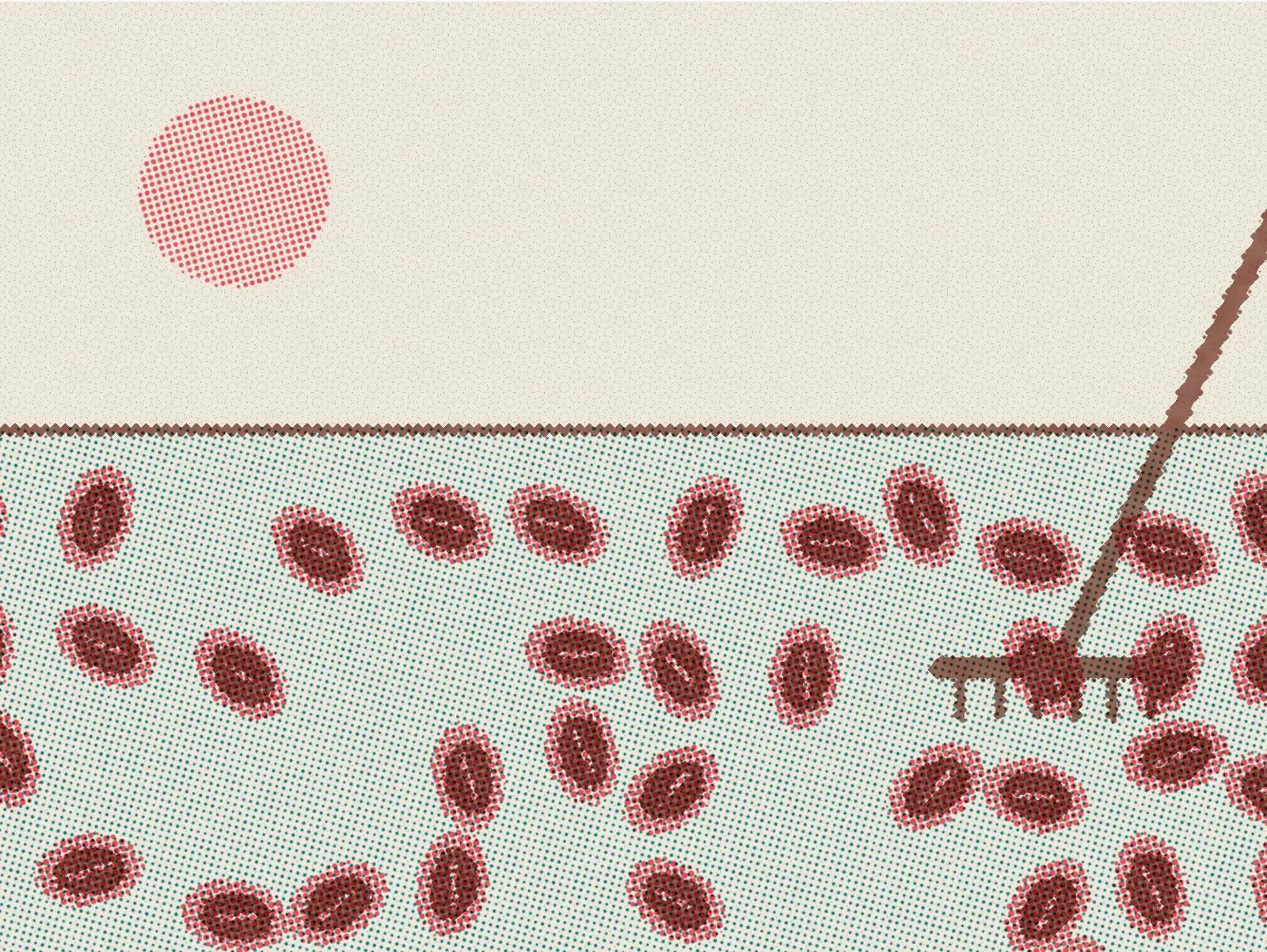
Once it has broken down, the beans are washed and move on to drying. Sun drying takes one to two weeks, mechanical drying less, to bring moisture down to eleven or twelve percent.
Cross-section
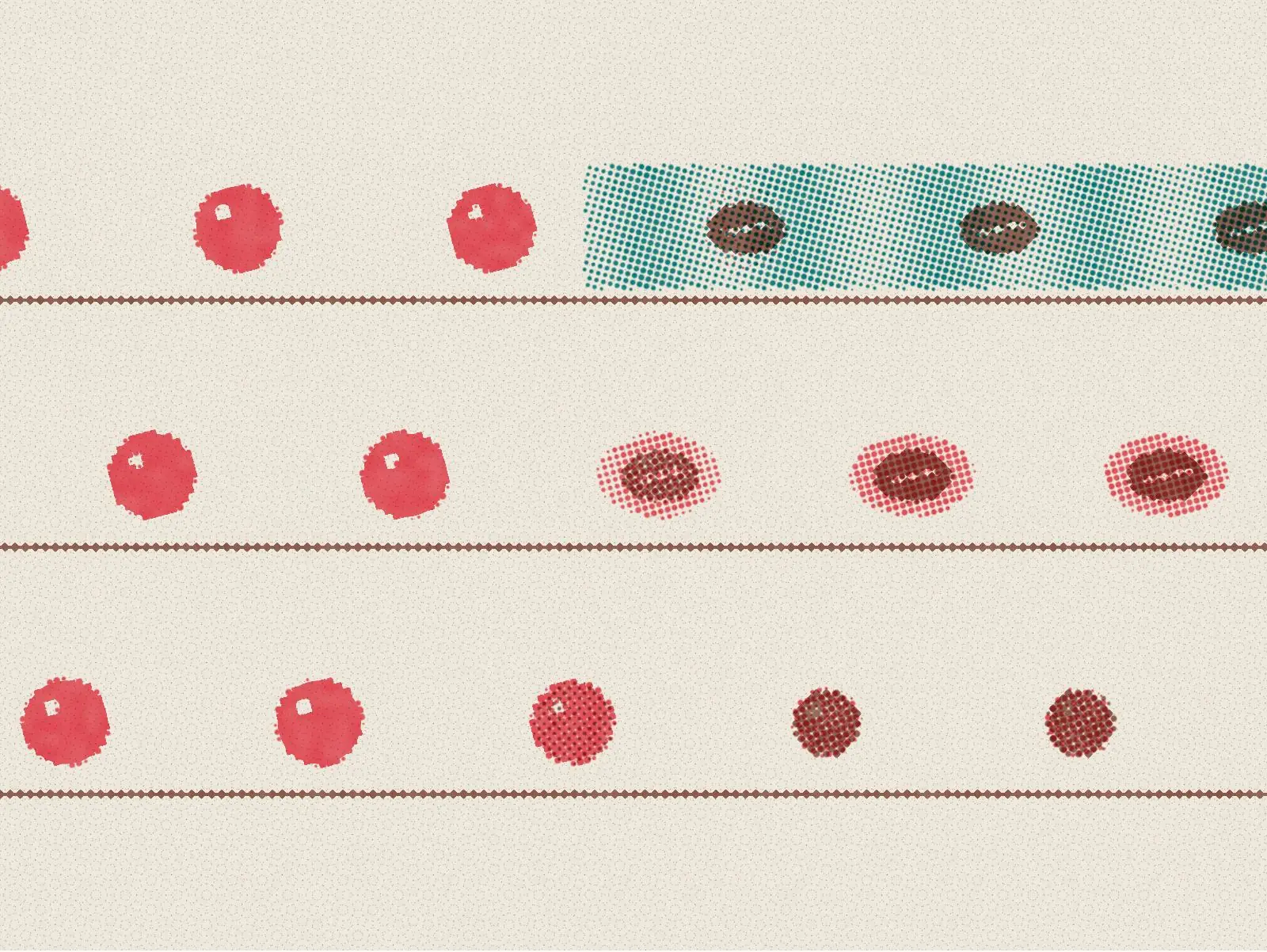
What the bean is wearing when it starts to dry
- skinremoved
- pulpremoved
- mucilageremoved
- parchmentkept
- silver skinkept
- seedkept
The mucilage is broken down by fermentation and washed off, and the bean dries wrapped in its parchment.
Moisture when the parchment comes off
11–12%
Flow
In order of the steps (top to bottom)
Where sealed fermentation goes in: Anaerobic, Carbonic Maceration and others (sometimes after the fruit is removed)
What it means to be clean
Washed's greatest feature is the cleanness of the cup. Because components from the fruit do not stay in contact with the seed for long, nothing extra is carried in. The quality of acidity, the sweetness and the aroma the bean itself holds come through plainly.
This is a strength, and also means there is nowhere to hide. If unripe beans are mixed in, their grassiness shows straight through; if the altitude is low and ripening insufficient, the cup is flat. It is the method in which an origin's ability shows most honestly.
The question of water
Washed needs a good deal of water. In some origins securing water is itself a constraint, and the treatment of wastewater from fermentation tanks has been pointed to as an environmental problem.
In response, there is also a method that scrapes off the mucilage physically by machine (mechanical demucilage). It greatly reduces water use, but is said to lose the complexity of flavor that fermentation creates, and farms that prioritize quality still tend to choose traditional fermentation.
The Kenyan variation
In Kenya, fermentation and washing are repeated twice, and a step is added in which the washed beans are soaked overnight in clean water. It takes more work, but is thought to be one of the factors behind that sharp, clear acidity. This method is covered in detail in Double Fermentation.
This much range sits inside the single word "Washed". That is why it is worth not judging by one word on a label, and asking what lies beyond it.