Comparing processes — reading the steps and flavor tendencies in diagrams
2026-10-20
Coffee processing methods divide along three broad questions. How is the fruit removed? What kind of fermentation happens while it dries? And how is the environment of that fermentation controlled?
Names like Washed, Natural and Honey answer the first question; Anaerobic and Carbonic Maceration answer the second and third. In other words, they are not options lined up on a single scale, but things that are used in combination. This article separates the base processes from the design of fermentation, and lays out the differences in diagrams. Each name links to a detailed article.
Index
The processes compared here (tap a name for its article)
Base processes
How the fruit comes off, and what the bean dries wearing
- WashedWet processMucilage broken down by fermentation and washed off before drying
- HoneyMucilage left onOnly the fruit is removed; dried wearing the mucilage
- Pulped NaturalBrazilian styleClose to Honey in its steps. The name developed in Brazil
- NaturalDry processThe whole cherry is dried, then hulled once dry
- Wet-HulledGiling BasahParchment removed partway through drying, while still damp
Fermentation design
Layered on a base process to set the environment and time of fermentation
- AnaerobicOxygen-free fermentationSealed to cut off oxygen, with fermentation controlled
- Carbonic MacerationCO₂-filled tankThe tank is filled with carbon dioxide before fermenting
- Double FermentationTwo-stage fermentationFermentation split in two, from Kenyan tradition to modern multi-stage
- Mosto NaturalJuice returnedPressed juice returned to the beans as they ferment or dry
Fermentation and special processes
Gathered in one article
What the bean dries wearing
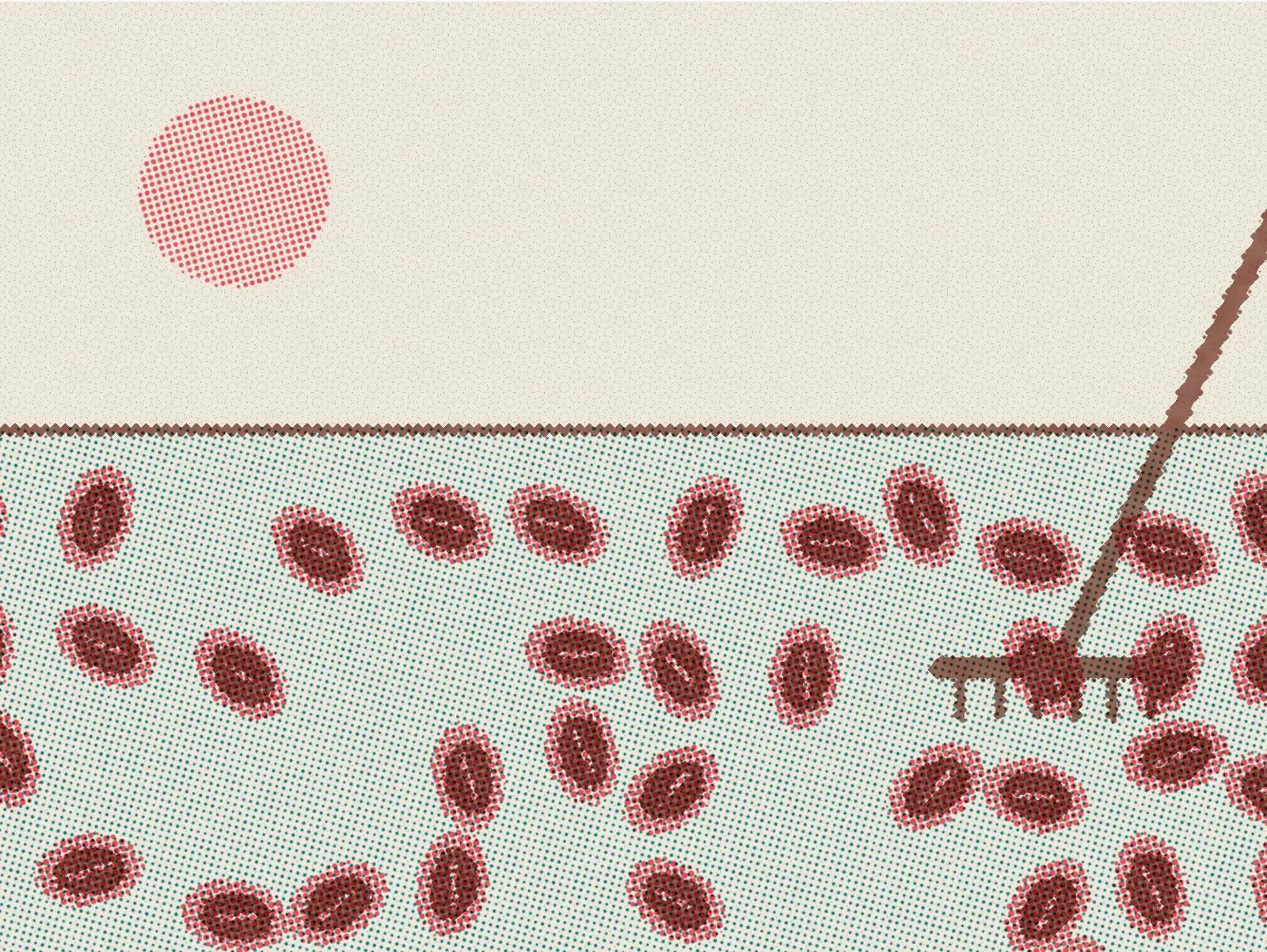
The difference between the base processes can be restated as what remains on the outside of the seed when drying begins. Drying with the skin and fruit still on is Natural; leaving only the mucilage is Honey; drying once only the parchment remains is Washed. Removing even the parchment partway through drying is Wet-Hulled.
The longer a sugar-rich layer stays on the outside of the seed, the more room there is for fermentation, and the more strongly fruit tends to come through. At the same time, the swing when management goes wrong also grows.
Cross-section
What the bean is wearing when it starts to dry
- skinkept
- pulpkept
- mucilagekept
- parchmentkept
- silver skinkept
- seedkept
The whole cherry dries with its skin and fruit on. Once fully dry, the skin, fruit and parchment come off at once.
Moisture when the parchment comes off
11–12%
In order of the steps
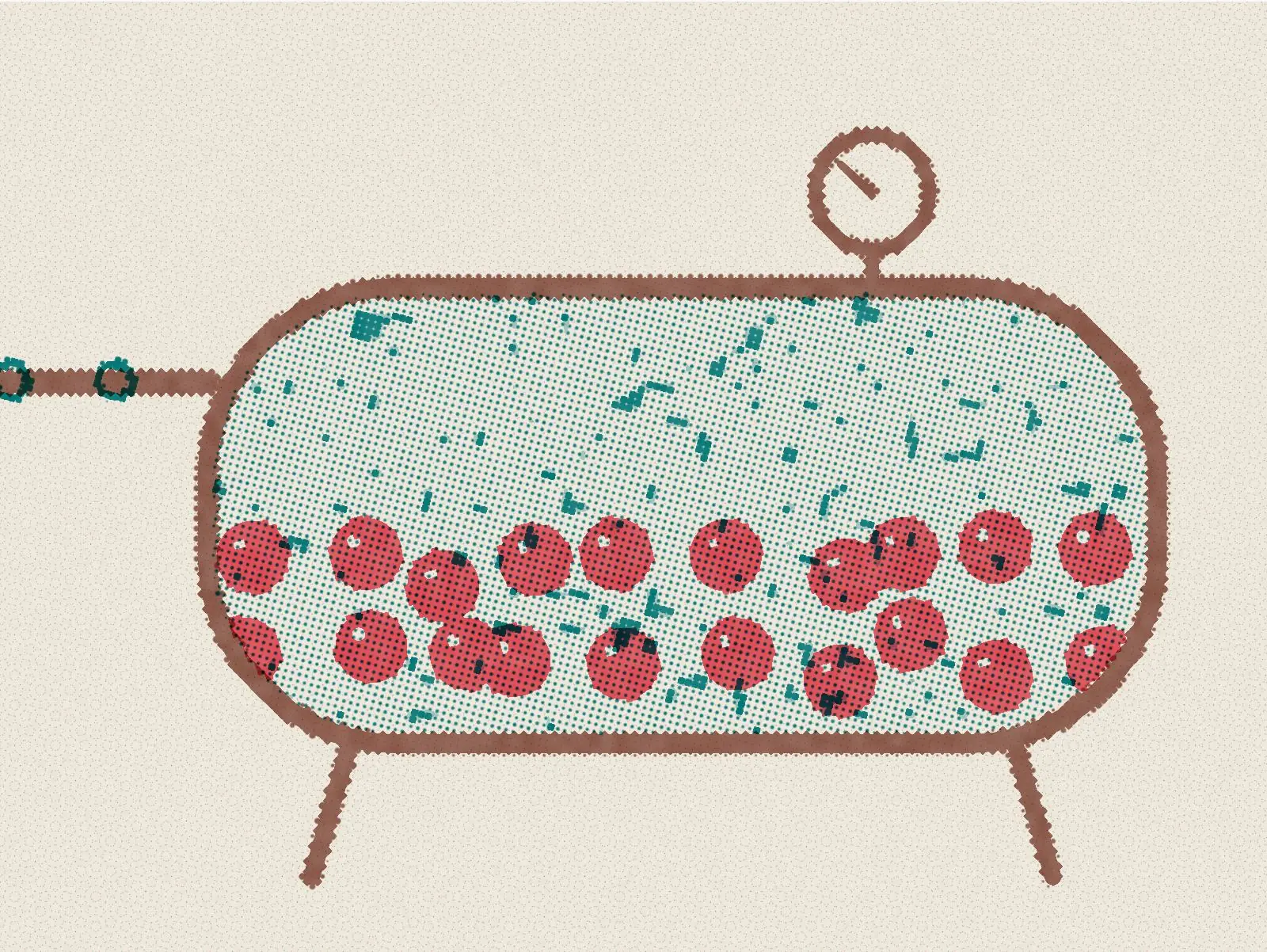
Laid out in the order of the steps, the same differences look like this. Sealed fermentation such as Anaerobic is less an independent process than an "extra step" inserted somewhere in this flow.
Flow
In order of the steps (top to bottom)
Where sealed fermentation goes in: Anaerobic, Carbonic Maceration and others (sometimes after the fruit is removed)
Mapping flavor tendencies
Arrange the flavor tendencies of each process along two axes, the clarity of the cup and the sense of fermentation, and they fall roughly into the positions below. They are drawn as areas rather than points because even the same process varies widely. Lots with designed fermentation in particular move a great deal across the map depending on which base process they are combined with, and on the time and temperature of fermentation.
Map
Mapping flavor tendencies (clarity × fermentation)
Designing fermentation
Double Fermentation is close
Pulped Natural
Aged rather than fermented
Designed fermentation
Wide range
Fermentation design:AnaerobicCarbonic MacerationMosto NaturalCo-fermented / Infused
Table
Processes and flavor tendencies
| Process | Flavor | Clarity | Ferment |
|---|---|---|---|
| Washed | Citrus, floral, clear acidity | Tends high | Tends low |
| Honey | Sweetness, nuts, fruit | Medium–high | Low–medium |
| Pulped Natural | Sweetness, nuts, chocolate, round mouthfeel | Medium–high | Low–medium |
| Natural | Berries, ripe fruit, sweetness | Wide range | Medium–high |
| Wet-Hulled | Herbs, earth, spice, heavy mouthfeel | Tends low–medium | A distinctive aged character |
| Anaerobic | Tropical, wine, spice | Wide range | Medium–high |
| Carbonic Maceration | Vivid fruit aromas, distinctive fermented notes | Wide range | Medium–high |
| Double Fermentation | Clean, sometimes with pronounced acidity | Tends high | Low–medium |
| Mosto Natural | Ripe fruit, clearly outlined sweetness | Wide range | Medium–high |
| Co-fermented / Infused | Varies greatly with the added ingredients and fermentation design | Wide range | Can be medium–high |
- Washed
- Flavor
- Citrus, floral, clear acidity
- Clarity
- Tends high
- Ferment
- Tends low
- Honey
- Flavor
- Sweetness, nuts, fruit
- Clarity
- Medium–high
- Ferment
- Low–medium
- Pulped Natural
- Flavor
- Sweetness, nuts, chocolate, round mouthfeel
- Clarity
- Medium–high
- Ferment
- Low–medium
- Natural
- Flavor
- Berries, ripe fruit, sweetness
- Clarity
- Wide range
- Ferment
- Medium–high
- Wet-Hulled
- Flavor
- Herbs, earth, spice, heavy mouthfeel
- Clarity
- Tends low–medium
- Ferment
- A distinctive aged character
- Anaerobic
- Flavor
- Tropical, wine, spice
- Clarity
- Wide range
- Ferment
- Medium–high
- Carbonic Maceration
- Flavor
- Vivid fruit aromas, distinctive fermented notes
- Clarity
- Wide range
- Ferment
- Medium–high
- Double Fermentation
- Flavor
- Clean, sometimes with pronounced acidity
- Clarity
- Tends high
- Ferment
- Low–medium
- Mosto Natural
- Flavor
- Ripe fruit, clearly outlined sweetness
- Clarity
- Wide range
- Ferment
- Medium–high
- Co-fermented / Infused
- Flavor
- Varies greatly with the added ingredients and fermentation design
- Clarity
- Wide range
- Ferment
- Can be medium–high
Flavors that come through easily
Looked at by flavor family, the differences between processes become a little more concrete. But this is only the direction when the process alone is changed. In a real cup it is not unusual for variety, altitude, ripeness and roast to have a bigger effect.
Flavor
Flavor families that come through
| Process | Citrus / Floral | Berry / Fruit | Sweet / Nutty | Tropical / Wine | Spice / Earth |
|---|---|---|---|---|---|
| Washed | Often | Rarely | Sometimes | Rarely | Rarely |
| Double Fermentation | Often | Sometimes | Rarely | Rarely | Rarely |
| Honey | Sometimes | Sometimes | Often | Rarely | Rarely |
| Pulped Natural | Rarely | Sometimes | Often | Rarely | Rarely |
| Natural | Rarely | Often | Sometimes | Sometimes | Rarely |
| Mosto Natural | Rarely | Often | Sometimes | Sometimes | Rarely |
| Anaerobic | Rarely | Sometimes | Rarely | Often | Sometimes |
| Carbonic Maceration | Sometimes | Often | Rarely | Often | Rarely |
| Wet-Hulled | Rarely | Rarely | Sometimes | Rarely | Often |
| Co-fermented / Infused | Varies greatly with the added ingredients and fermentation design | ||||
How to read the names
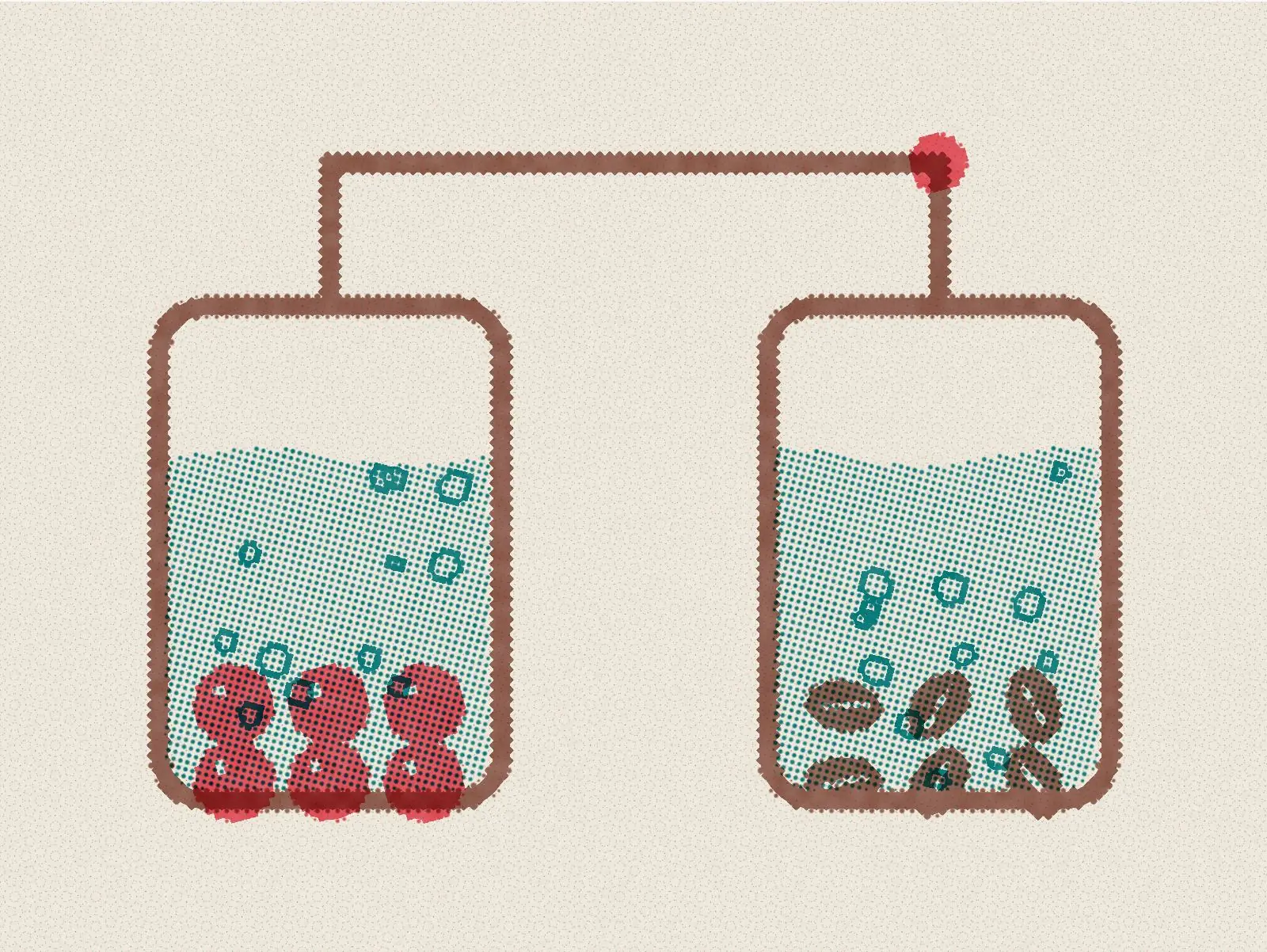
Sometimes two or more process names are joined, as in "Anaerobic Natural". This is not a contradiction: it combines a base process, Natural or Honey, with a fermentation condition, Anaerobic. The design of the fermentation often comes first and the base process second, but the order is sometimes reversed.
Reading labels
A label name combines two pieces of information
AnaerobicFermentation designNaturalBase process
→ Whole cherries fermented in a sealed tank, then dried as they are
Carbonic MacerationFermentation designWashedBase process
→ Fermented in a tank filled with carbon dioxide, then pulped and washed
AnaerobicFermentation designHoneyBase process
→ Sealed fermentation, then dried with the mucilage left on
Vietnamese Robusta
For the Vietnamese Robusta we handle, process names and their aims correspond roughly as follows.
- Washed Robusta: when you want cleanness, or to see the character of the origin
- Honey Robusta: when sweetness, a chocolate-like impression and a round mouthfeel matter most
- Natural Robusta: when you want to make the most of fruit and body
- Anaerobic Robusta: for the specialty market seeking distinctive flavors, or for cafés and restaurants that want a signature character
Note that "Fine Robusta" is not a process name alongside these. It is a quality framework for evaluating excellent Robusta, and lots of any process can qualify.
What to check when sourcing
Even with the same name, the steps differ from producer to producer. When comparing several lots or suppliers, checking the following makes comparison easier.
- Variety and harvest period
- The base process: Washed, Natural, Honey and so on
- Whether there was fermentation, and its time, temperature and oxygen conditions
- Whether any yeast was inoculated or ingredients added
- The drying method and the final moisture content
- Cupping results, defect rate and traceability
A name is only a starting point
A process name is not a label that promises a taste. A wide range of steps sits under the same name, and even the same steps give very different results depending on the standard of management. Once a name gives you a lead, ask about the steps beyond it. Use the diagrams in this article as a plan for doing that.