Natural — the oldest method, drying the whole cherry
2026-07-14
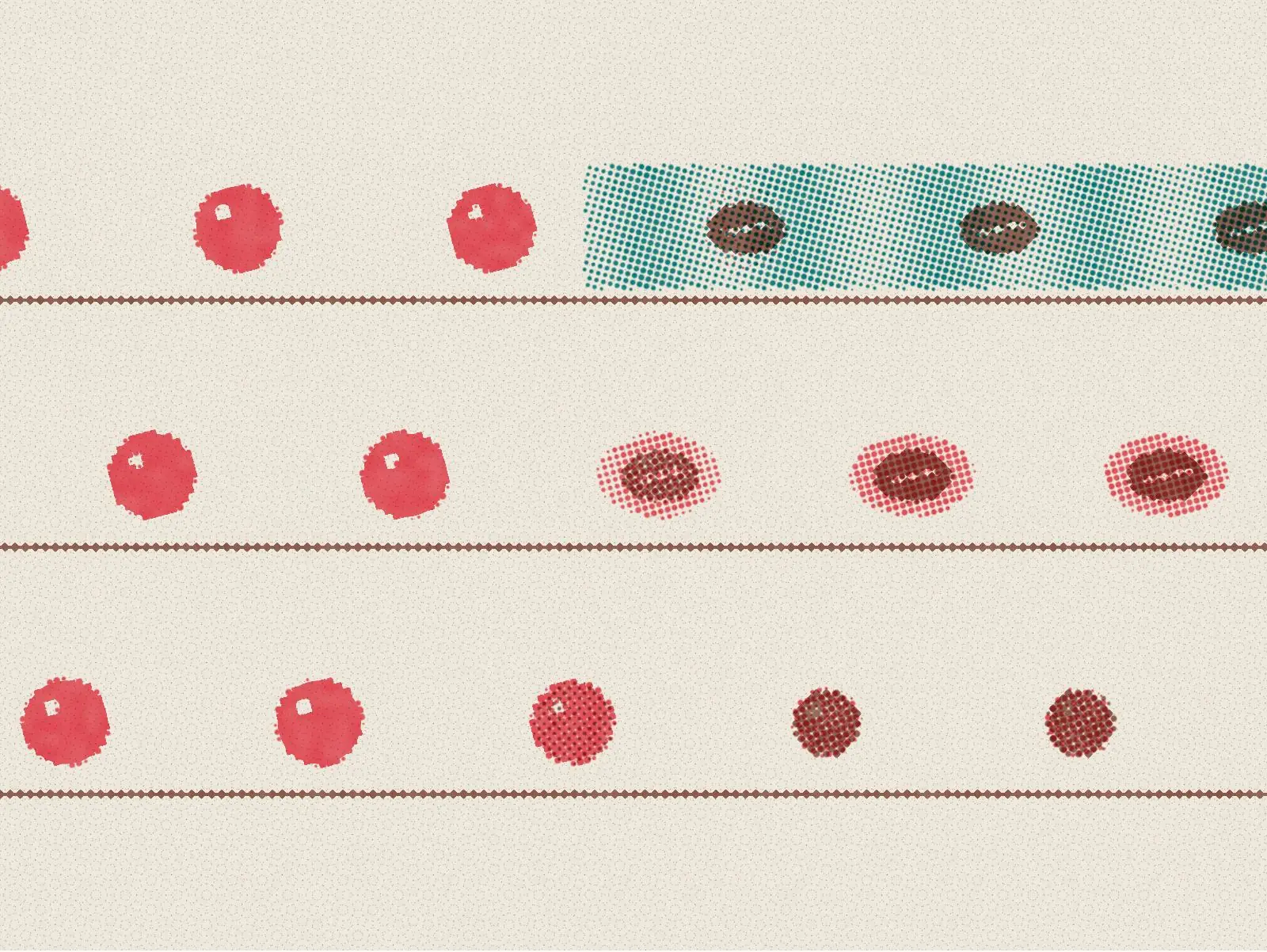
Natural is the oldest process, in use since people first started drinking coffee. The harvested cherries are simply dried as they are. That is all there is to it, but in practice it demands extremely delicate management.
The steps, and what makes them hard
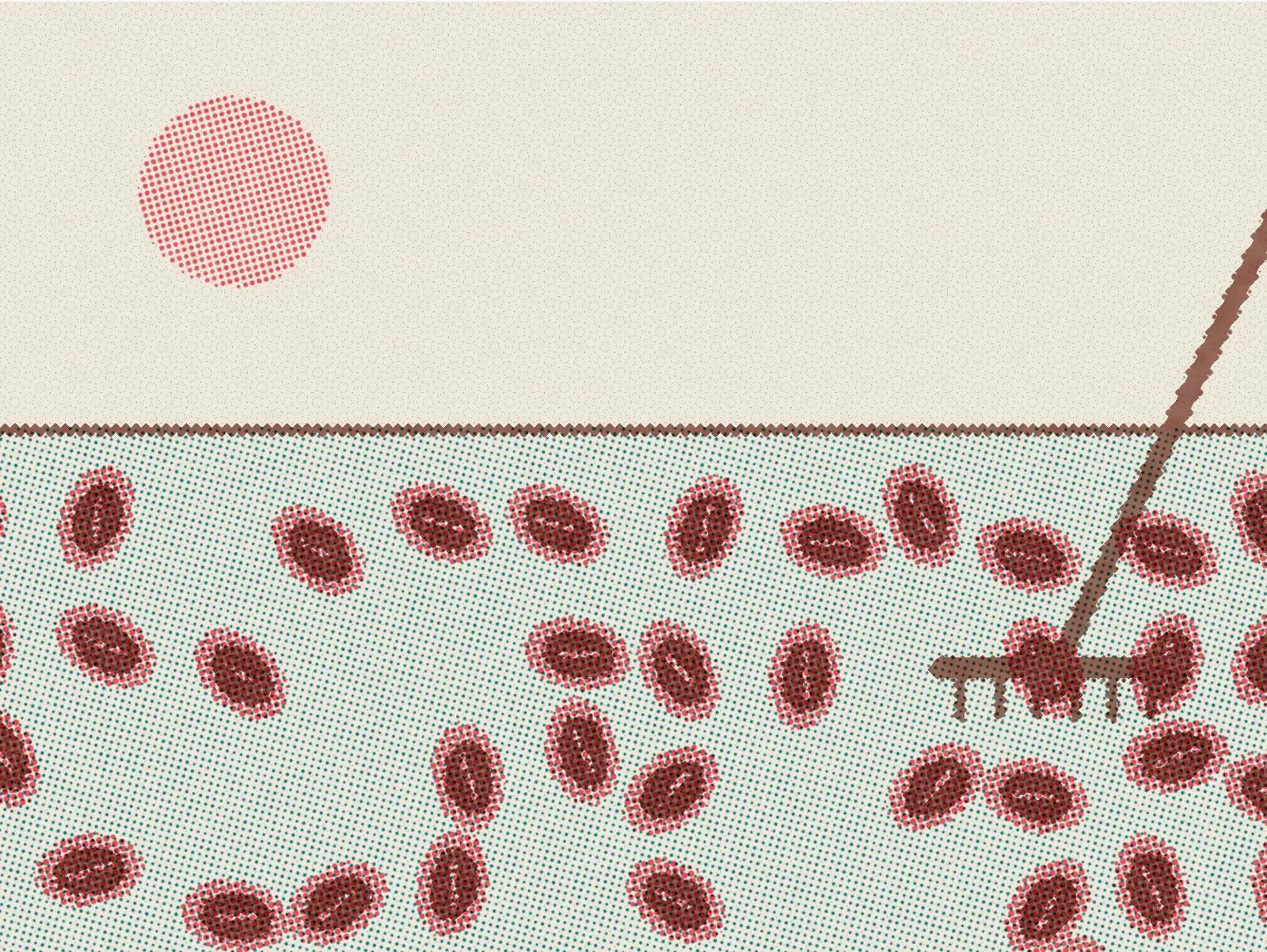
Harvested cherries are spread out to dry over two to four weeks. Some use raised drying beds (African beds); others spread them directly on a concrete patio.
During this time the cherries must be turned again and again. Left alone, they grow mold, rot where the underside stays damp, and undergo unwanted fermentation. Covered when it rains, protected from night dew, moved into shade when the daytime heat climbs too high: far from being a hands-off "natural" method, it is one of the processes that most needs human attention.
Once fully dry, a huller removes the skin, fruit and parchment all at once.
Why fruit flavors are carried in
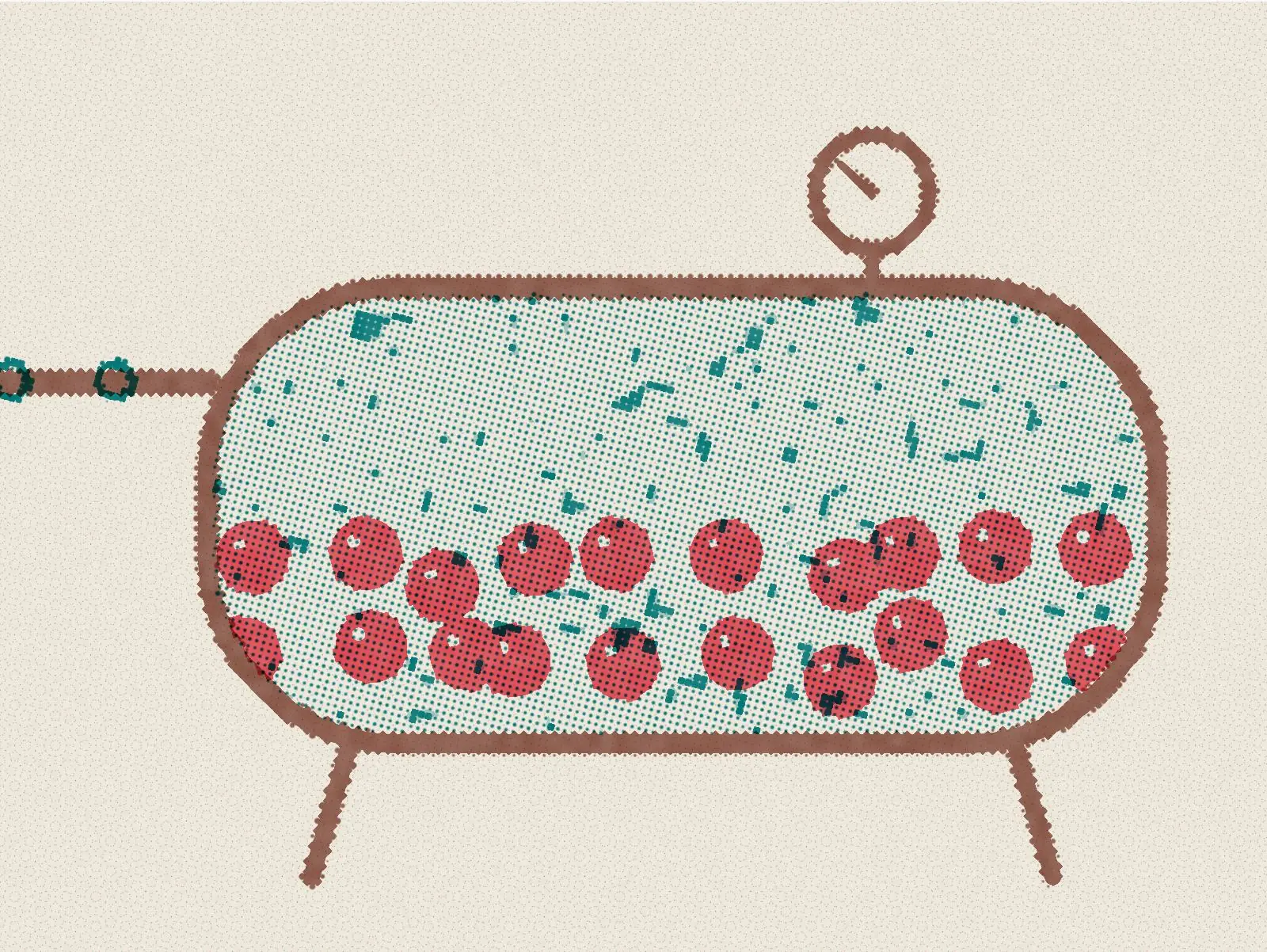
Throughout drying, the seed stays wrapped in fruit and mucilage. Sugars and organic acids in the fruit move into the seed over time. At the same time, fermentation by yeasts and lactic acid bacteria proceeds on the surface of the fruit, producing a wide range of aroma compounds.
As a result, aromas reminiscent of berries and ripe fruit, wine or rum appear in a Natural cup. The mouthfeel is thick and the sweetness strong. It points in a dense direction, the opposite of Washed's transparency.
Mosto Natural, which separates pressed juice and returns it to the beans, is an attempt to draw out Natural's fruitiness in a more controlled way.
Cross-section
What the bean is wearing when it starts to dry
- skinkept
- pulpkept
- mucilagekept
- parchmentkept
- silver skinkept
- seedkept
The whole cherry dries with its skin and fruit on. Once fully dry, the skin, fruit and parchment come off at once.
Moisture when the parchment comes off
11–12%
A hair's breadth from failure
At the same time, Natural carries the highest risk of failure. If fermentation goes too far, it turns into a sharp, acetic smell; if drying is uneven, a moldy note is carried in. The view that "Natural is a low-quality method" once spread because many poorly managed beans like these were on the market.
Its reputation has turned around in recent years because techniques spread: raised drying beds, spreading the cherries in thin layers, and frequent moisture measurement. The method did not change; the standard of management did.
The logic of a land without water
Natural has traditionally been used in Ethiopia, Yemen and parts of Brazil for the physical reason that water is scarce. It was not a matter of technical superiority, but of choosing what was possible on that land.
In Vietnam, too, Natural has been widely used for processing Robusta. The Central Highlands, where the strong sun of the dry season can be used, are not bad in terms of conditions. What remains is whether only ripe cherries are picked and whether they are dried with care. In the end, that one point is what separates quality. The Arabica we carry from Sơn La in the northwest is also a lot finished as Natural.