Canephora (Robusta) — a species named for strength, still being reassessed
2026-07-03
The name Robusta is actually a variety name. The botanical species is Canephora (Coffea canephora). Robusta was the name of one line within it, but it spread so widely that it has become the common name for the species itself. Robustus, Latin for "sturdy", describes the character of this species exactly.
From the Congo Basin to the world after leaf rust
Its origin is the lowland forests from Central to West Africa, especially around the Congo Basin. It was described scientifically at the end of the nineteenth century. Commercial cultivation began in earnest at the start of the twentieth century, and this is tied to a turning point in the history of coffee.
From the 1870s to the 1880s, leaf rust destroyed one Arabica plantation after another in Asia. Java was no exception. What was brought in to rebuild the ruined plantations was Canephora, which resists leaf rust. Introduced from the Congo to Java by way of Belgium around 1900, the species spread rapidly through the lowlands of Southeast Asia. Robusta growing in Vietnam is an extension of this same story.
Timeline
From leaf rust to Vietnamese Robusta
- 1870s–80s
Leaf rust destroys one Arabica plantation after another in Asia. Java is no exception
- Late 19th c.
Canephora is described scientifically
- Around 1900
Introduced from the Congo to Java via Belgium, as a rust-resistant substitute
- 20th c.
Spreads through the lowlands of Southeast Asia, leading to Robusta growing in Vietnam
- Today
Vietnam is the world's largest Robusta producer, and Fine Robusta is emerging as a yardstick for quality
What its strength is made of
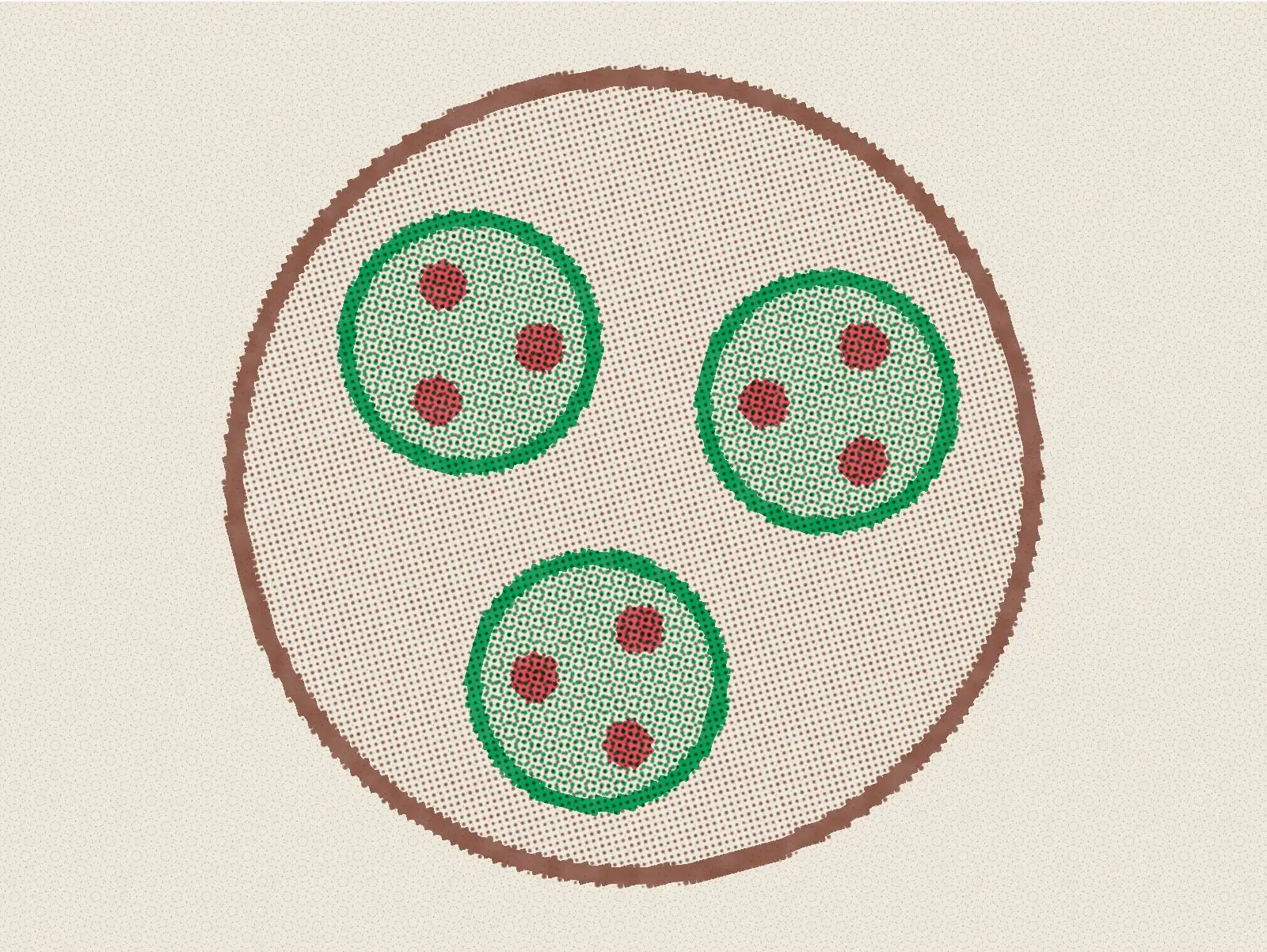
Canephora is a diploid with twenty-two chromosomes. It is self-incompatible: it cannot be fertilized by its own pollen and must cross with other plants. Thanks to this, its genetic diversity stays high, which is the source of its adaptability and disease resistance. It is the opposite survival strategy to Arabica.
Pollination
How a plant is pollinated sets its genetic range
Arabicaself-pollinating
It can set fruit with its own pollen. Its genetic range is narrower as a result, and disease spreads easily.
Canephoracross-pollinating
It cannot be fertilized by its own pollen and needs pollen from another plant. Genetic diversity is kept, which makes it resilient.
It grows in the lowlands, from sea level to around eight hundred meters, and tolerates heat and humidity. Its yield per unit of land is also higher than Arabica's. Ease of cultivation, yield and price: on these three counts Canephora has long played the role of "volume coffee".
The truth about its bitterness, and its potential
Its caffeine content is about 2.2 to 2.7 percent, close to double that of Arabica. It is also rich in chlorogenic acids. These two produce a strong bitterness and a heavy mouthfeel. Blending Robusta into espresso makes the crema thick and stable because of this composition.
Compare
The three species side by side
Chromosomes
44tetraploid
- Pollination
- Self-pollinating
- Altitude
- Cool highlands above 1,000 m
- Caffeine
- About 1.2%
- Production
- About 60%
Chromosomes
22diploid
- Pollination
- Cross-pollinating
- Altitude
- Lowlands, about 0–800 m
- Caffeine
- About 2.2–2.7%
- Production
- Just under 40%
Chromosomes
22diploid
- Pollination
- —
- Altitude
- Lowlands
- Caffeine
- —
- Production
- Under 1%
For a long time Robusta was treated as "cheap beans" or "beans that are only bitter". But much of that reputation comes not from the limits of the species itself, but from rough cultivation and processing. Robusta picked only when fully ripe, fermented with care and properly dried has layers of sweetness reminiscent of cacao, brown sugar and nuts.
The field of Fine Robusta
In recent years an evaluation framework called "Fine Robusta" has been established, giving Robusta a common yardstick for quality too. In Vietnam's Central Highlands, producers who work to this standard are steadily increasing. On top of its record of volume as the world's largest Robusta producer, a redefinition of quality has begun.
We carry Robusta from producers in Lâm Hà, Lâm Đồng province, because we want to be there for this turning point. Overturning a prejudice does not take an argument. One cup of good Robusta is enough.