French Press — steep, press, pour
2026-10-21
French Press means steeping the grounds in hot water, waiting, and pressing down a metal mesh to filter. There is no need to pay attention to pouring speed or flow; keep the amounts of coffee and water, the time and the temperature the same, and you get almost the same cup every time.
Because no paper is used, the coffee's oils go straight into the cup. The mouthfeel is full, and it suits taking in the fruit and sweetness of a Natural whole.
Origins
A similar device was devised in France in the mid-nineteenth century, and one close to today's form is said to have been patented in Italy at the end of the 1920s. French in name, it is a brewer that has been refined in many parts of Europe.
An example recipe
15g of coffee to 250g of water, at 92–96°C. Pour all the water at once, wait four minutes, and press down slowly.
Recipe
French Press, step by step (an example)
Add coarse grounds
15g
Pour all the water at once
250g
Wait
4 min
Break the crust and skim the foam
Optional
Press slowly and pour it all out
Why grind coarse
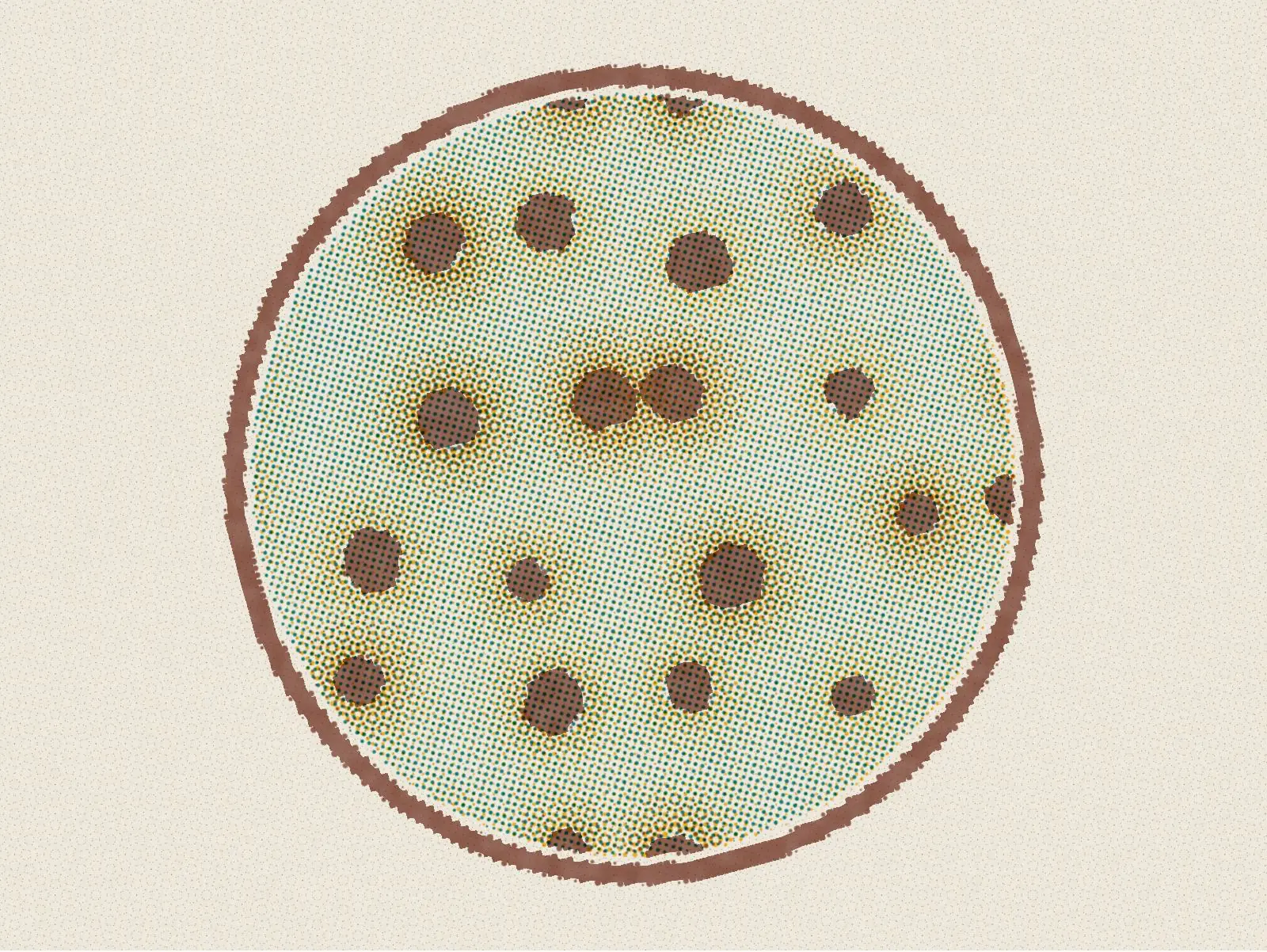
Metal mesh cannot stop fine particles the way paper does. Grind fine and the particles slip through the mesh and cloud the cup, and while steeping, extraction goes too far, making bitterness and astringency more likely. That is why it is ground coarse.
Grind size
A guide to grind size (finer to the left, coarser to the right)
Oils, and the grounds left at the bottom
A little of the fine powder that got through the mesh settles at the bottom of the cup. We recommend leaving the last sip. Also, even after pressing, the grounds and water are still in contact, so pouring it all into another vessel straight after brewing keeps it from turning bitter over time.
Filter
The filter material changes the mouthfeel
Comparing brew methods sets out the differences from other methods in diagrams.