The big picture of processing — taking the seed out of the fruit, the step that decides flavor
2026-07-12
The coffee beans we drink are, botanically, the seeds of a fruit. The red fruit that is harvested, the coffee cherry, has this seed taken out and dried. That series of steps is called processing.
The steps themselves sound simple, but the choices made here decisively shape what ends up in the cup. Even cherries from the same tree on the same farm become entirely different drinks when processed differently. Along with origin and variety, it is one of the three pillars of flavor.
The structure of the cherry
As a basis for judgment, it helps to know how the fruit is built. From the outside in: skin, pulp, mucilage, parchment, silver skin, and then the seed.
Of these, the mucilage is the heart of processing. It is a slippery, sugar-rich layer, and when, how far and how it is removed, or whether it is left on, is what separates one process from another.
Cross-section
What the bean is wearing when it starts to dry
- skinkept
- pulpkept
- mucilagekept
- parchmentkept
- silver skinkept
- seedkept
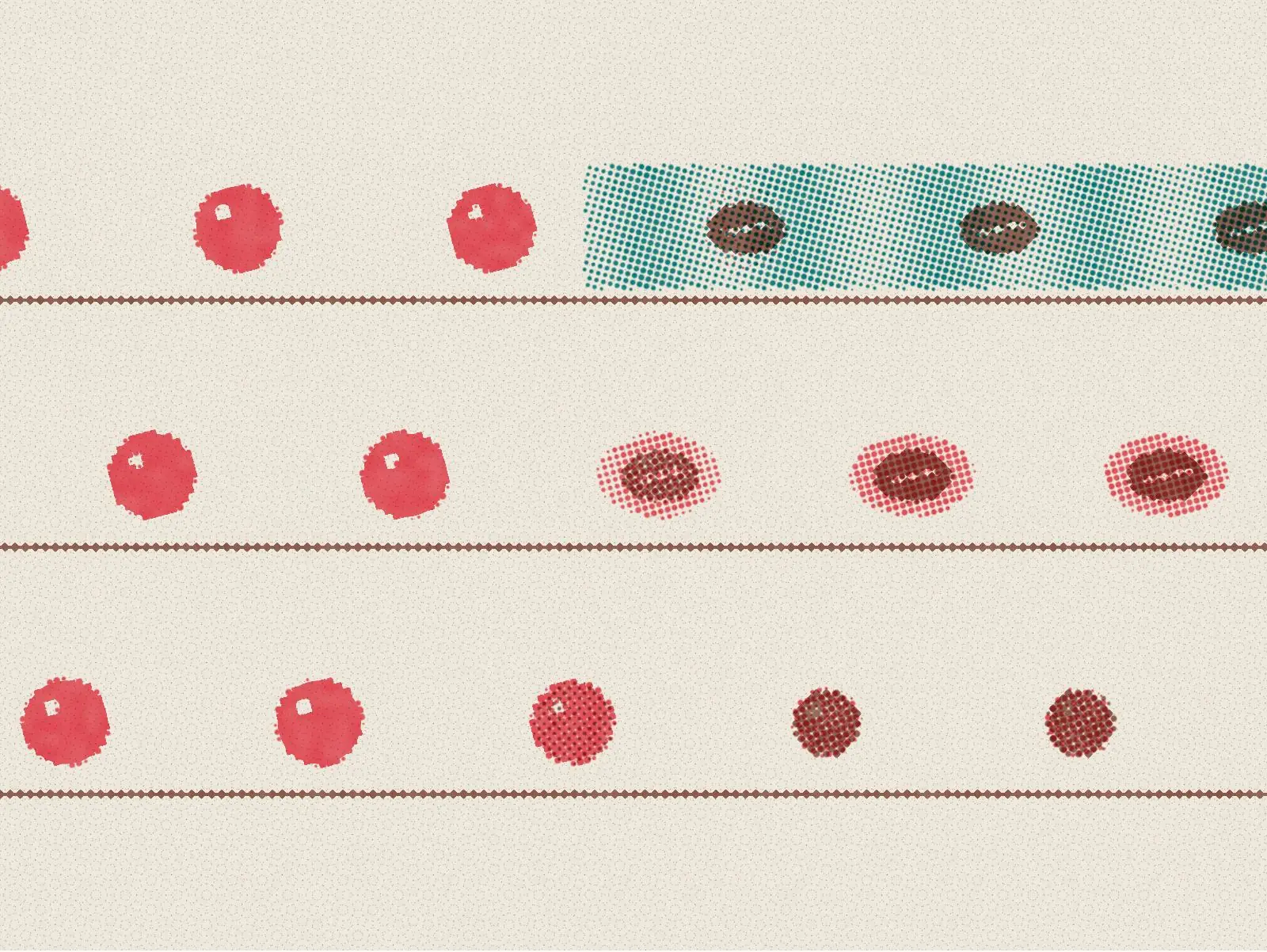
The whole cherry dries with its skin and fruit on. Once fully dry, the skin, fruit and parchment come off at once.
Moisture when the parchment comes off
11–12%
The three basic forms
The most classic classification has three forms.
Washed: the fruit is removed by machine, the mucilage is broken down by fermentation in water and washed away, and then the beans are dried. A method in which the true nature of the bean comes through plainly.
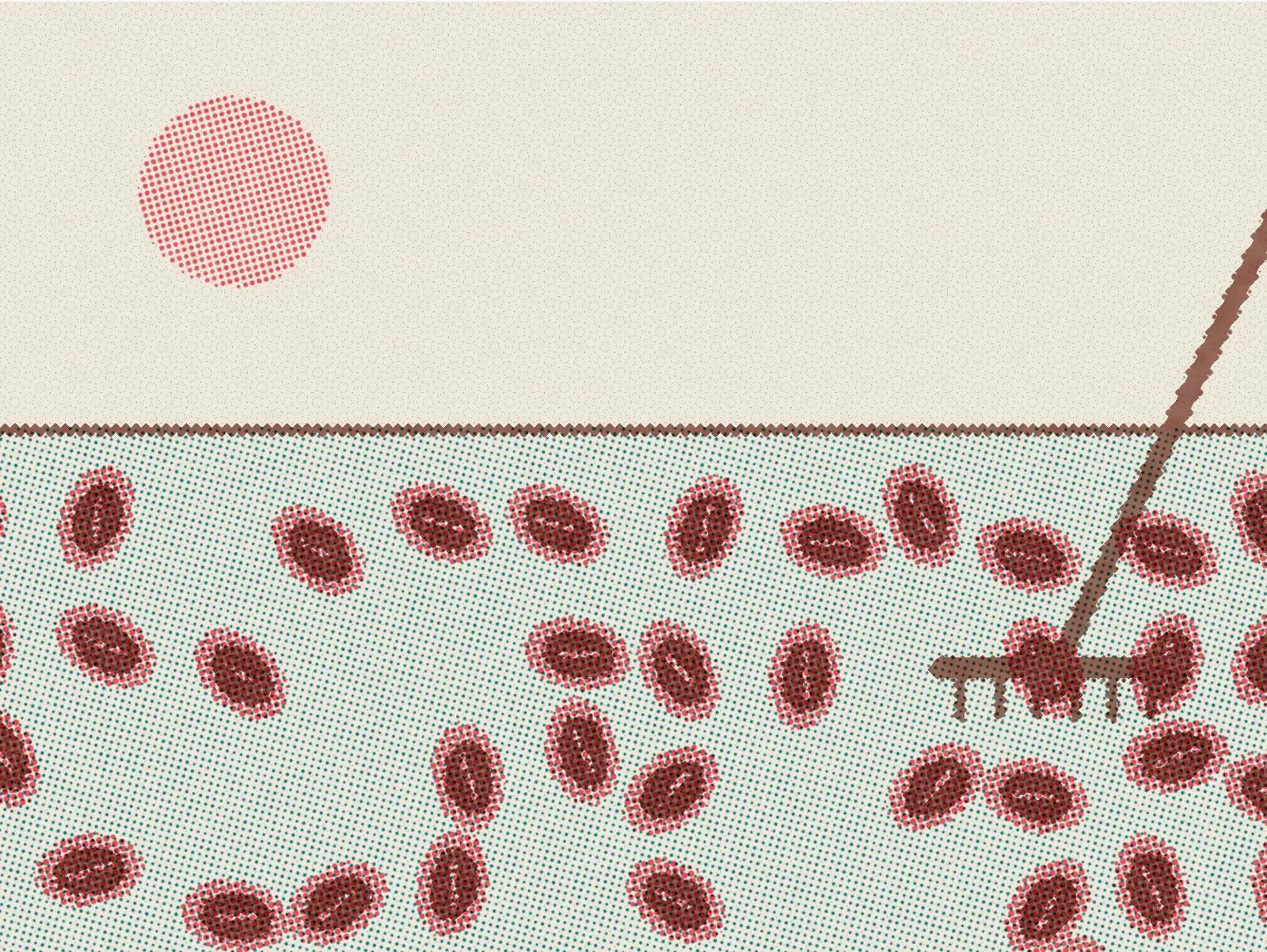
Natural: the whole cherry is dried, and once dry, the skin and fruit are removed all at once. Because the components of the fruit stay in contact with the seed for a long time, fruity, sweet flavors are carried in.
Honey sits between the two: the fruit is removed but the beans are dried with the mucilage left on. How much is left and how fast it dries let the flavor be adjusted finely. Pulped Natural, developed in Brazil, has very similar steps.
An expanding field
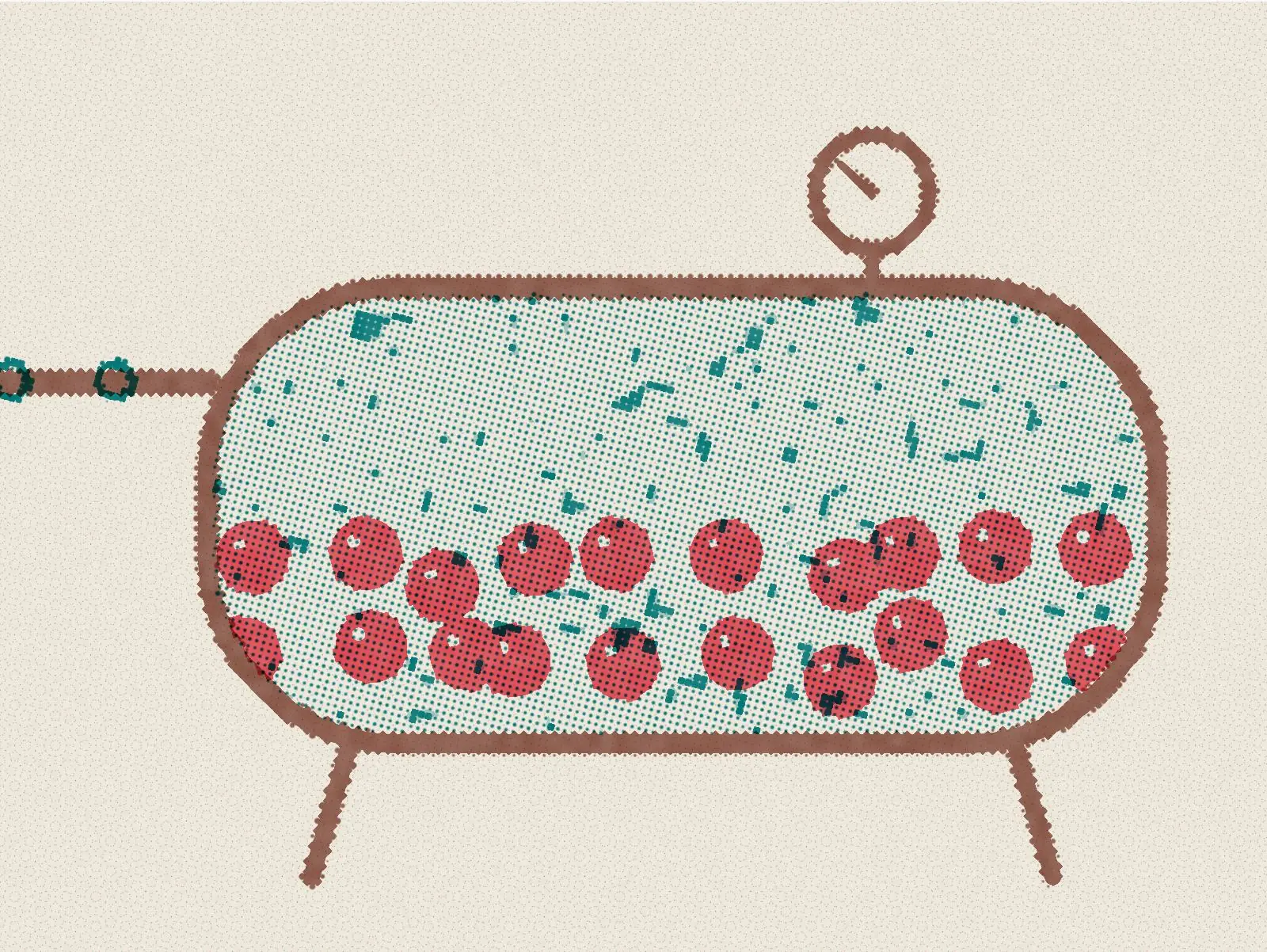
In recent years one method after another has appeared that does not fit into these three. Anaerobic, which seals out oxygen and ferments in a closed tank; Carbonic Maceration, which fills the tank with carbon dioxide; Double Fermentation, which splits fermentation in two; Indonesia's Wet-Hulled, which removes the parchment partway through drying; and Mosto Natural, which returns fruit juice to the beans. Fermentation designs using lactic acid bacteria, yeast or koji are gathered in Fermentation and special processes.
Behind this is a movement by producers to take back control over price. Variety and altitude cannot easily be changed, but processing can be changed by the producer's own judgment. Because it is the area with the most room for differentiation, experimentation has concentrated there.
As someone choosing
A process name is not a flavor label. Even Washed gives different results with different fermentation times and water quality, and a careless Natural simply becomes a defective bean that smells of fermentation. What decides real quality is not the name of the process, but how well that process was managed.
That is why we disclose not only the process but also the harvest date and the date processing finished. The name is only a starting point. Comparing processes lays out the differences in diagrams.